
Therapeutic apheresis does not have to be scary! Jeff Winters helps us understand the essentials of this ever-expanding part of Transfusion Medicine.

Dr. Jeff Winters
Dr. Jeff Winters
About My Guest:
Dr. Jeff Winters is a graduate of the University of Kentucky College of Medicine. His postgraduate training included an Anatomic/Clinical Pathology residency at the University of Kentucky and a Transfusion Medicine/Blood Banking fellowship at the Mayo Clinic in Rochester, Minnesota. He is certified by the American Board of Pathology in Anatomic Pathology, Clinical Pathology, and Blood Banking/Transfusion Medicine.
Dr. Winters is a Professor of Laboratory Medicine and Pathology in the Mayo College of Medicine. He is the Program Director of the Mayo Clinic Transfusion Medicine/Blood Banking Fellowship Program, Vice-chair of the Division of Transfusion Medicine, and Medical Director of the Mayo Clinic Therapeutic Apheresis Treatment Unit.
Dr. Winters is actively involved in the American Society for Apheresis (ASFA) and previously served as the president of that organization. He is editor-in-chief of the Journal of Clinical Apheresis.
DISCLAIMER: The opinions expressed on this episode are those of my guest and I alone, and do not reflect those of the organizations with which either of us is affiliated. Neither Dr. Winters nor I have any financial disclosures relevant to today's topic.
The images below are generously provided by Dr. Winters.
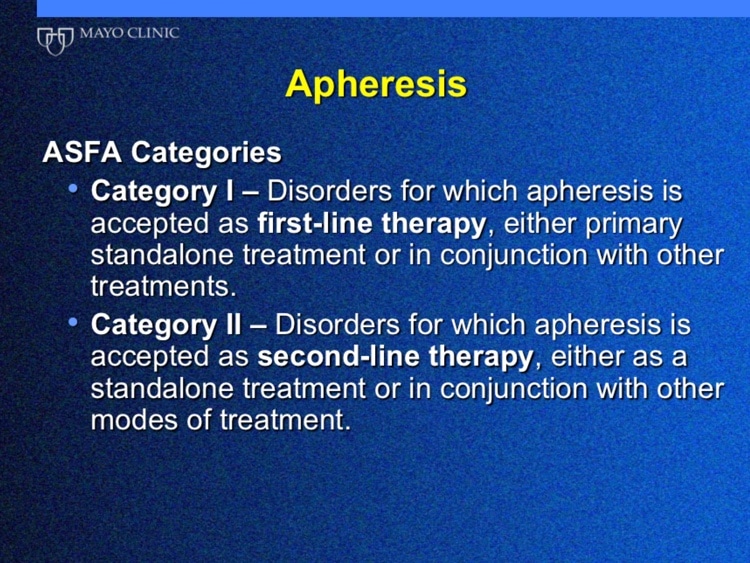
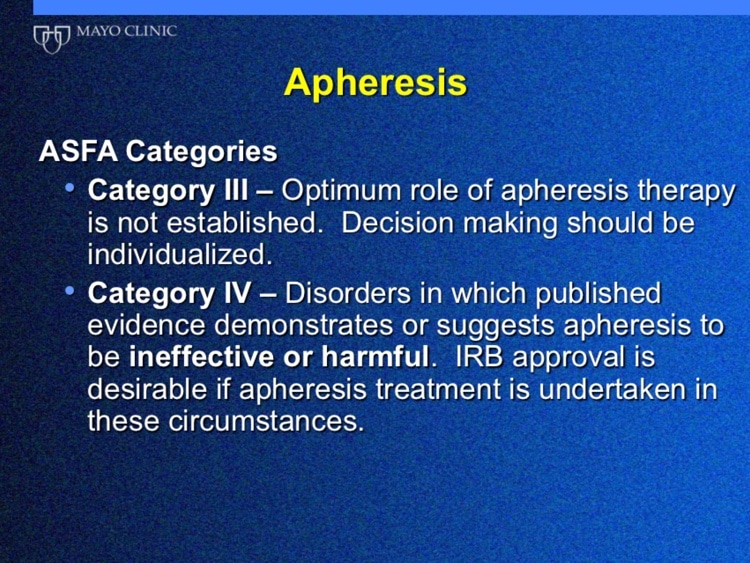
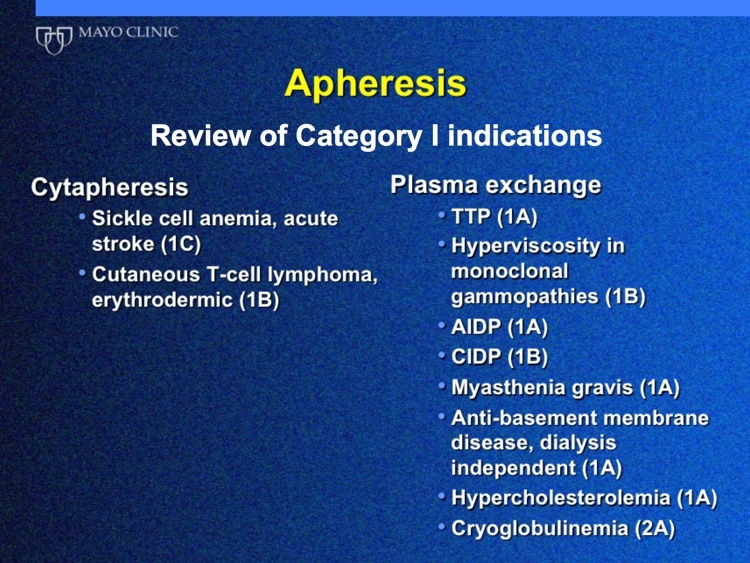
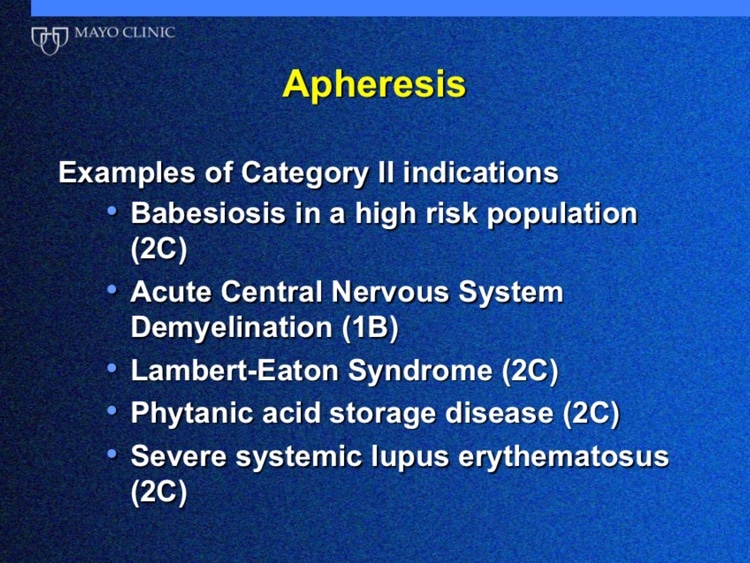
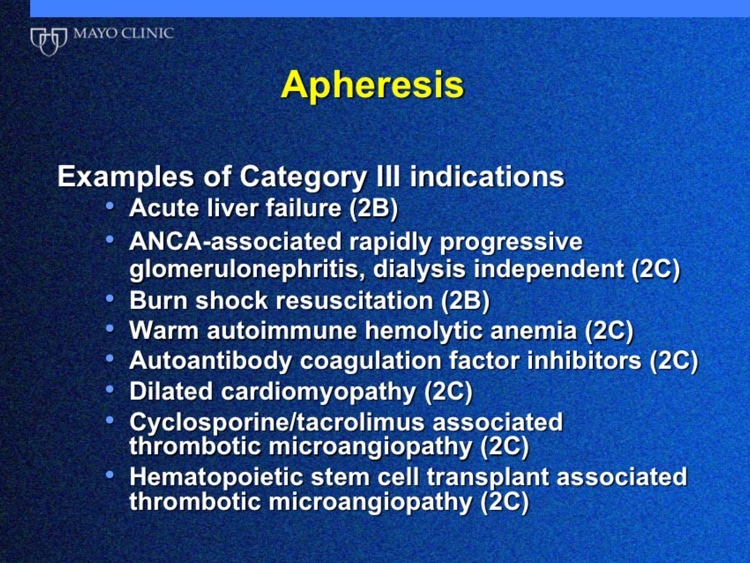
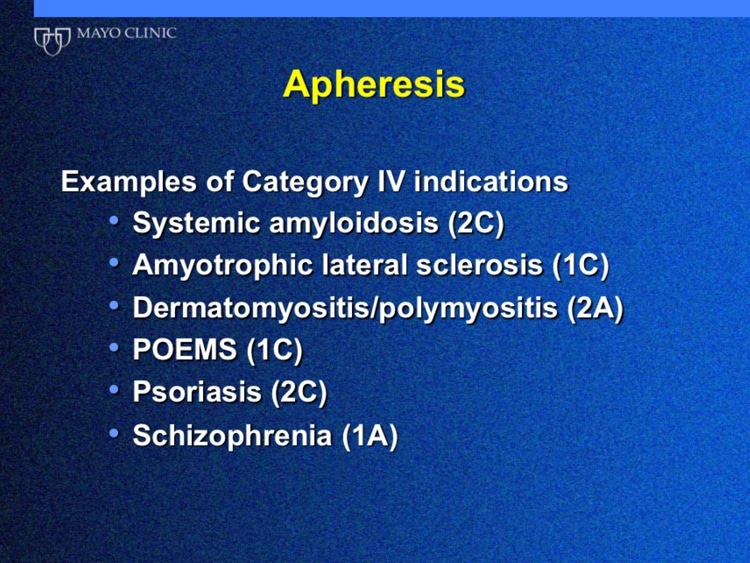
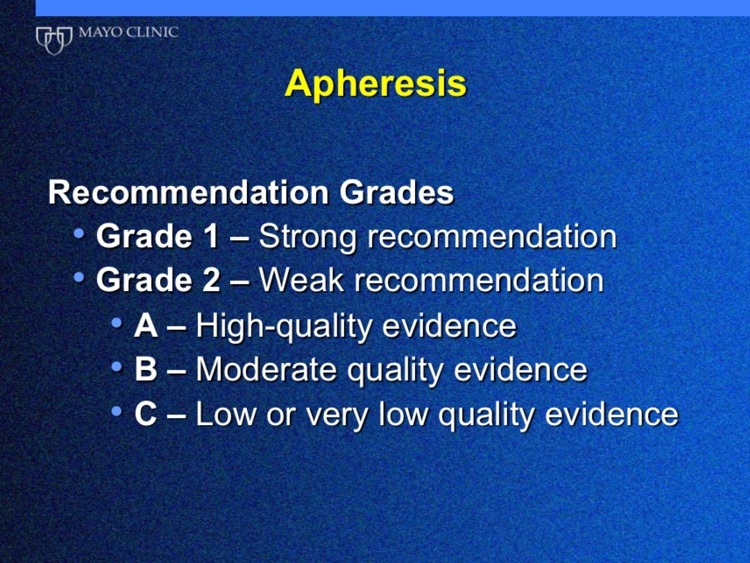



Excellent joe. So nice …
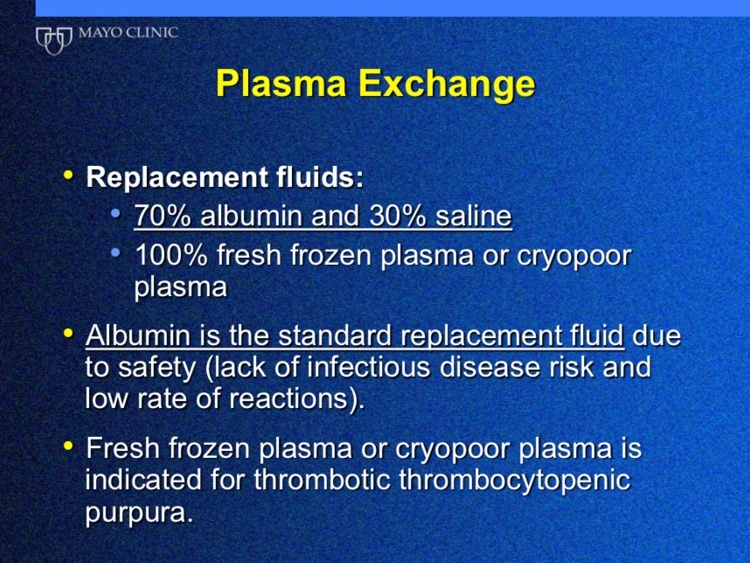
Can you clear one thing, that 30% saline in start of procedure and 70% albumin at the end of procedure . Is it like this??
The standard is that the replacement fluid should consist of 70% albumin and 30% saline. As the albumin is a colloid and does not redistribute from the intravascular space while the saline is a crystalloid and does, give the saline in the very beginning of the procedure so it ends up in the waste bag with the albumin (usually 3% human albumin) for the remainder. This way, you minimize redistribution of the volume out of the intravascular space and minimize hypotensive reactions.
Dr. Jeff Winters not only delivers a great discussion, but also manages to find the time to respond to a question on my site! Thanks, Dr. Winters, and thanks for the question, Dr. Khan.
Joe
Thank you so much Joe and Dr. J. Winters
Great information. Dr winter is the best teacher.thanks Joe for getting Dr winters to us.was great to hear from him again.
Glad you enjoyed it! Dr. Winters is indeed a fantastic teacher, and I love his enthusiasm!
-Joe
what is the maximum times patient with TPP to undergo TPE to have complete recovery
Angelito, if you mean “TTP” then you can find the answer (which is “there is no maximum”) in Episode 26 of the podcast, where Dr. Winters discusses TTP. If that was not your question, please let me know!
-Joe